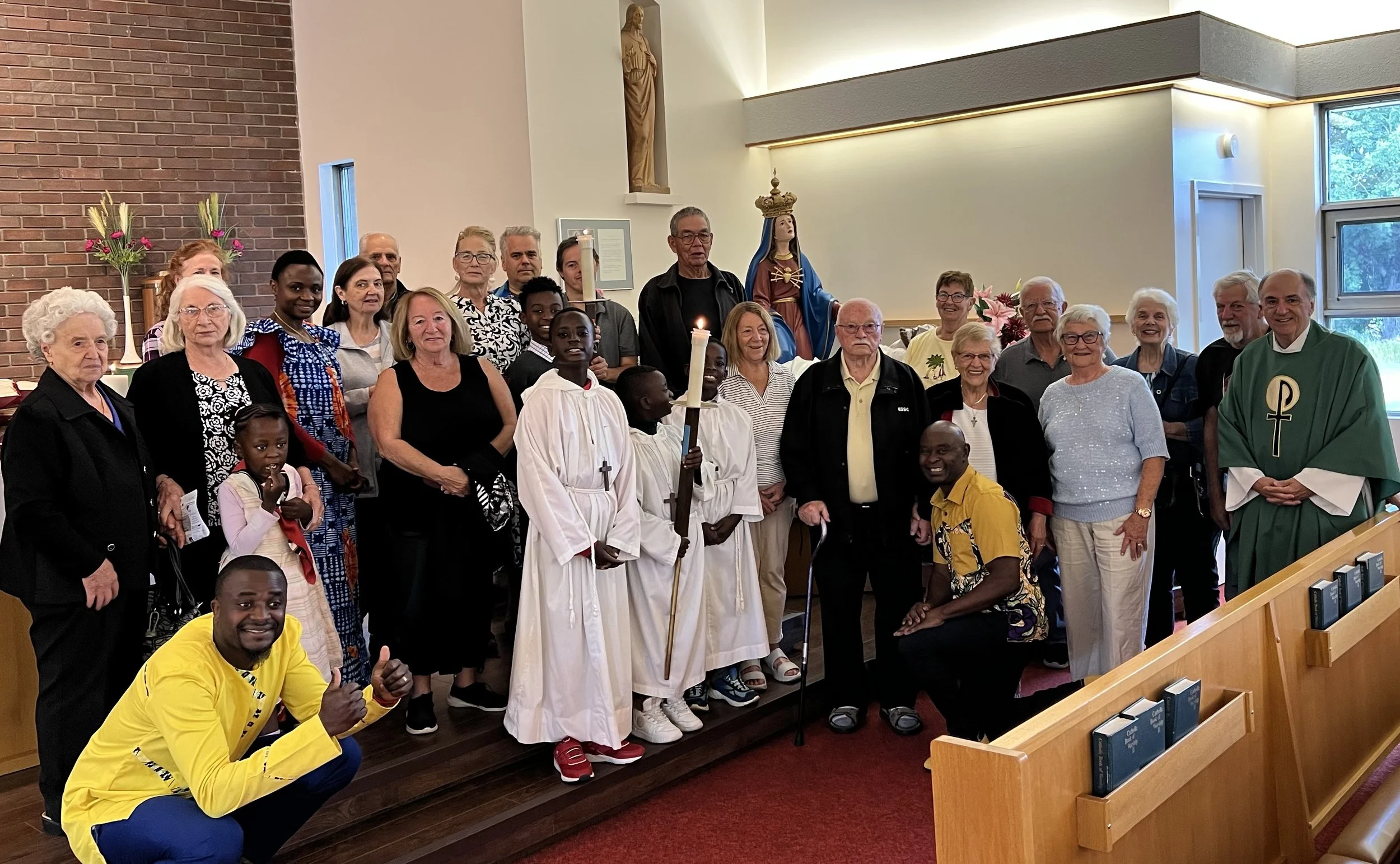
Madonna Addolorata Pilgrimage and Mass Sept. 20th at 1:00pm
Upcoming in Immaculate Conception Church / next weekend Sept. 19 / 20 the weekend Mass will be on Sunday at 1:00pm. The pilgrimage begins with Rosary at 11:00am, followed by lunch (bring your own) and coffee; then Sunday Mass at 1:00pm. Everyone is Welcome !
Pope at Audience : Africa journey was a message of peace in times of war
During his weekly General Audience, Pope Leo XIV recalls various highlights from his recent Apostolic Journey to Algeria, Cameroon, Angola, and Equatorial Guinea from April 13 to 23.
By Isabella H. de Carvalho
“I thank the Lord for granting me the opportunity” to undertake an Apostolic Journey across four African countries and “to experience it as a message of peace at a time in history marked by wars and serious and frequent violations of international law,” Pope Leo XIV said during the Wednesday General Audience in St. Peter’s Square on April 29.
Pope Leo visited Algeria, Cameroon, Angola, and Equatorial Guinea from April 13 to 23, where he followed in the footsteps of St. Augustine, appealed for peace in tension-filled areas, was welcomed by people singing, dancing, and cheering, and more.
A rain-soaked message of mercy inside Bata Prison
“I cannot forget what happened in the prison in Bata, in Equatorial Guinea,” the Pope said in his catechesis, regarding one of the moments of his journey.
The Pope underlined how he undertook this visit as a “Shepherd, to meet and encourage the people of God.”
For the people of Africa, the Pope said his visit was “a chance to make their voices heard, to express the joy of being God’s people and the hope for a better future, of dignity for each and every one."
“I am happy to have given them this opportunity, and at the same time I thank the Lord for what they have given me, an inestimable treasure for my heart and my ministry,” he said, expressing his gratitude to the civil authorities and religious and Church representatives who welcomed him.
Algeria: Crossing and strengthening bridges
Pope Leo XIV’s first stop was in Algeria, where he followed in the footsteps of his spiritual father, St. Augustine, and also met with the minority Catholic community and representatives of other religions.
Pope: Algeria visit a ‘special blessing’ and opportuntity to promote dialogue
“I found myself, on the one hand, revisiting the roots of my spiritual identity and, on the other, crossing and strengthening bridges that are very important for the world and the Church today: the bridge with the very fruitful age of the Church Fathers; the bridge with the Islamic world; and the bridge with the African continent,” the Pope explained.
He pointed out that his time in the country showed “the world that it is possible to live together as brothers and sisters, even of different religions, when we recognize ourselves as children of the same merciful Father.”
He also underscored that St. Augustine today is an important role model for Christians and not only, as “he is a master in the search for God and for truth.”
Populations thirsting for justice
The Pope then travelled to the predominantly Christian countries of Cameroon, Angola and Equatorial Guinea, where he said he was warmly welcomed in a festive atmosphere.
He also emphasized how in these nations he saw the populations “thirsting and hungry for justice” and so came to them to recognize their faith and proclaim how “blessed are the poor, blessed are the meek, blessed are the peacemakers.”
Cameroon: Keep alive the spirit of unity to guide future choices
In Cameroon the Pope was able to “reinforce the call to work together for reconciliation and peace.” He especially highlighted his visit to Bamenda – an area in the Anglophone region marked by hostilities due to separatist groups – where he encouraged people to work for peace.
Pope in Bamenda: ‘Woe to those who manipulate religion for military or political gain’
The Pope also explained that “Cameroon is known as ‘Africa in miniature,' in reference to the variety and richness of its natural environment, its resources.”
However, he continued, “we can also interpret this expression to mean that the great needs of the entire continent are found in Cameroon: the need for a fair distribution of wealth; the need to provide space for the young, overcoming endemic issues; that of promoting integral and sustainable development, countering the various forms of neo-colonialism with far-sighted international cooperation.”
He underlined that he hopes “that the spirit of unity which was evident during” his visit “may be kept alive and guide future choices and actions.”
Angola: A hope that withstands the empty promises of the powerful
In Angola, the Pope noted that despite a bloody civil war after achieving independence in 1975, “in the crucible of this history, God has guided and purified the Church, increasingly converting her in the service of the Gospel, human promotion, reconciliation, and peace.”
“A free Church for a free people!” he emphasized.
Pope at Mamã Muxima: It is love that must triumph, not war
He also recalled that he “felt the beating heart of the Angolan people” at the Mamã Muxima Marian Shrine and was struck by seeing so many people of all ages participating and rejoicing at the various events.
He saw in them “the foundation of a hope that withstands the disappointments caused by ideologies and the empty promises of the powerful.”
He highlighted though that “this hope demands concrete commitment” and said the Church has the responsibility to recognize and promote the rights of all.
The Pope also assured the Catholic Church’s willingness to continue to help in this respect, especially “in the field of healthcare and education.”
Equatorial Guinea: Genuine signs of the Kingdom of God in a prison
The Pope then turned to the fourth leg of his Apostolic Journey and recounted the particularly strong moment when he visited a prison in the northwestern city of Bata.
“The prisoners sang at the top of their voices a song of thanksgiving to God and to the Pope, asking him to pray ‘for their sins and their freedom’. I had never seen anything like it,” he said.
Pope at Bata Prison: 'No one is excluded from God’s love'
“And then they prayed the ‘Our Father’ with me in the pouring rain. A genuine sign of the Kingdom of God!”
Then, the same day and still in the rain, the Pope met with young people in the city’s stadium in “a celebration of Christian joy, with moving testimonies from young people who have found in the Gospel the path to free and responsible growth.”
“This celebration culminated in the Eucharistic celebration the following day, which worthily crowned the visit to Equatorial Guinea, as well as the entire Apostolic Journey,” the Pope concluded.
Easter Celebrations
Immaculate Conception Church in Ignace
Good Friday Service at 10:00am
Easter Sunday Communion Service at 10:00am
Pope’s Lenten message:
Abstain from harsh words and rash judgement
Ahead of the start of Lent, Pope Leo XIV invites Catholics to open ourselves to listening, fasting, and community, urging us to abstain from words of hatred in order to make space for words of hope and peace.
By Devin Watkins
“I would like to invite you to a very practical and frequently unappreciated form of abstinence: that of refraining from words that offend and hurt our neighbor.”
Pope Leo XIV made that invitation at the heart of his message for Lent 2026, which was released on Friday.
As Lent begins on Ash Wednesday, February 18, the Pope said this liturgical season offers Christians an opportunity to place the mystery of God back at the center of our lives.
Every journey of conversion, he said, begins by letting God’s word touch our hearts, so that we may renew our commitment to follow Christ in the mystery of His saving passion, death, and resurrection.
Pope Leo focused on the importance of listening to God and to those around us, allowing ourselves to enter into authentic relationships.
“In the midst of the many voices present in our personal lives and in society,” he said, “Sacred Scripture helps us to recognize and respond to the cry of those who are anguished and suffering.”
Christians, said the Pope, can cultivate inner openness to listening, as God does, by growing in awareness that the poor challenge our lives and economic systems, as well as the Church.
Pope Leo XIV then turned to how fasting helps open us to the deep desire for justice, which he said frees us from complacency.
“Precisely because it involves the body, fasting makes it easier to recognize what we ‘hunger’ for and what we deem necessary for our sustenance,” he said. “Moreover, it helps us to identify and order our ‘appetites,’ keeping our hunger and thirst for justice alive”.
Fasting, he added, teaches us to govern our desire by purifying, freeing, and expanding it, in order to direct our desire toward God and good deeds.
However, we must fast in faith, humility, and communion with the Lord, and not in a way that leads to pride, said the Pope, adding that other forms of self-denial also lead to a more sober lifestyle.
Pope Leo then pointed to an under-appreciated form of abstinance, which is refraining from hurtful words.
“Let us begin by disarming our language, avoiding harsh words and rash judgement, refraining from slander and speaking ill of those who are not present and cannot defend themselves,” he said. “Instead, let us strive to measure our words and cultivate kindness and respect in our families, among our friends, at work, on social media, in political debates, in the media and in Christian communities.”
If we do so, we will let words of hatred “give way to words of hope and peace.”
Pope Leo went on to emphasize the communal aspect of listening and fasting, which can be lived out in our parishes, families, and religious communities.
By listening to the cry of the poor and setting our hearts on a path of conversion to Christ, we train our conscience and improve the quality of our lives and relationships, he said.
“It means allowing ourselves to be challenged by reality and recognizing what truly guides our desires—both within our ecclesial communities and as regards humanity’s thirst for justice and reconciliation.”
Pope Leo XIV concluded his 2026 Lenten Message with a call for Christian communities to become places where those who suffer find welcome.
“Let us ask for the strength that comes from the type of fasting that also extends to our use of language,” he said, “so that hurtful words may diminish and give way to a greater space for the voice of others.”
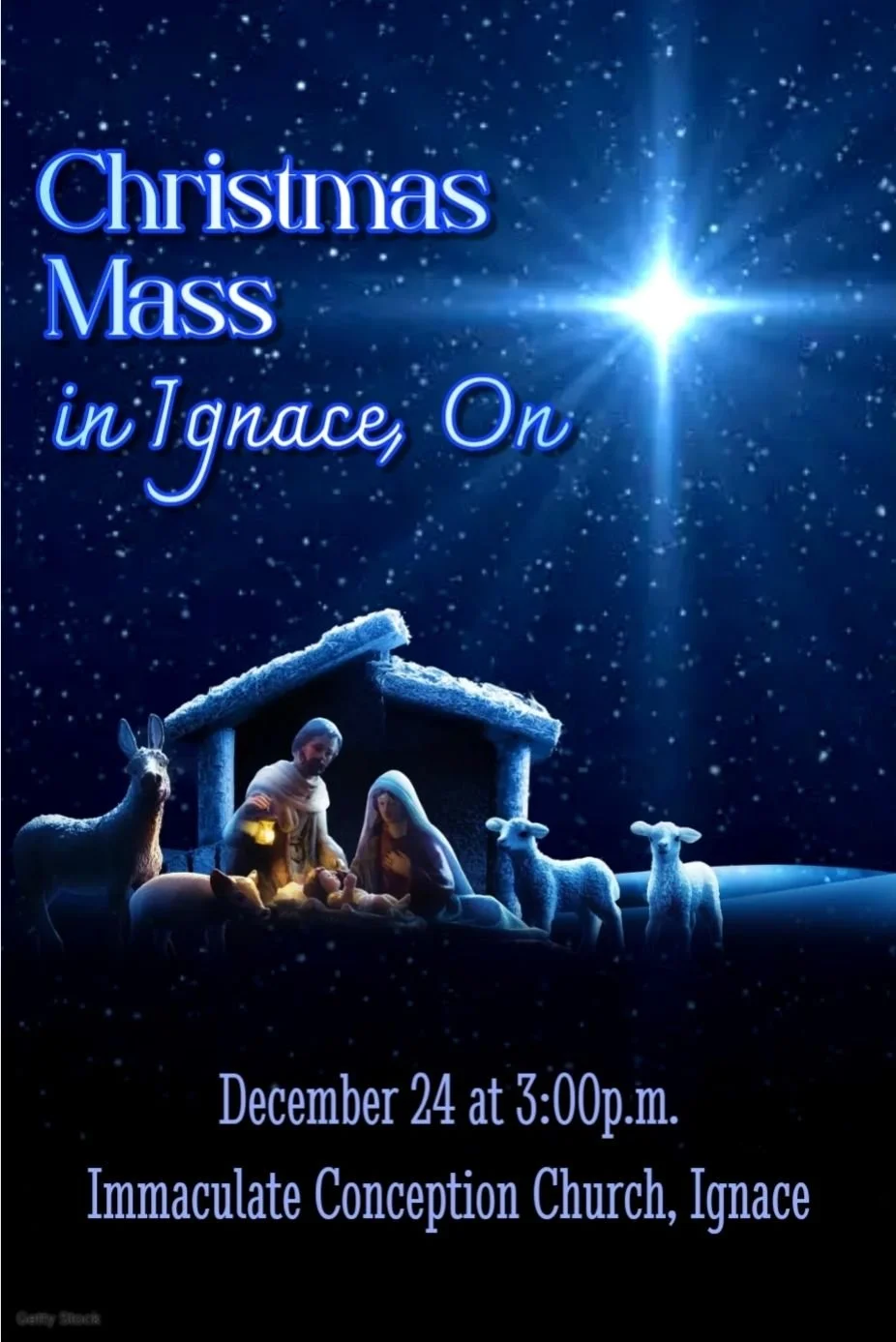
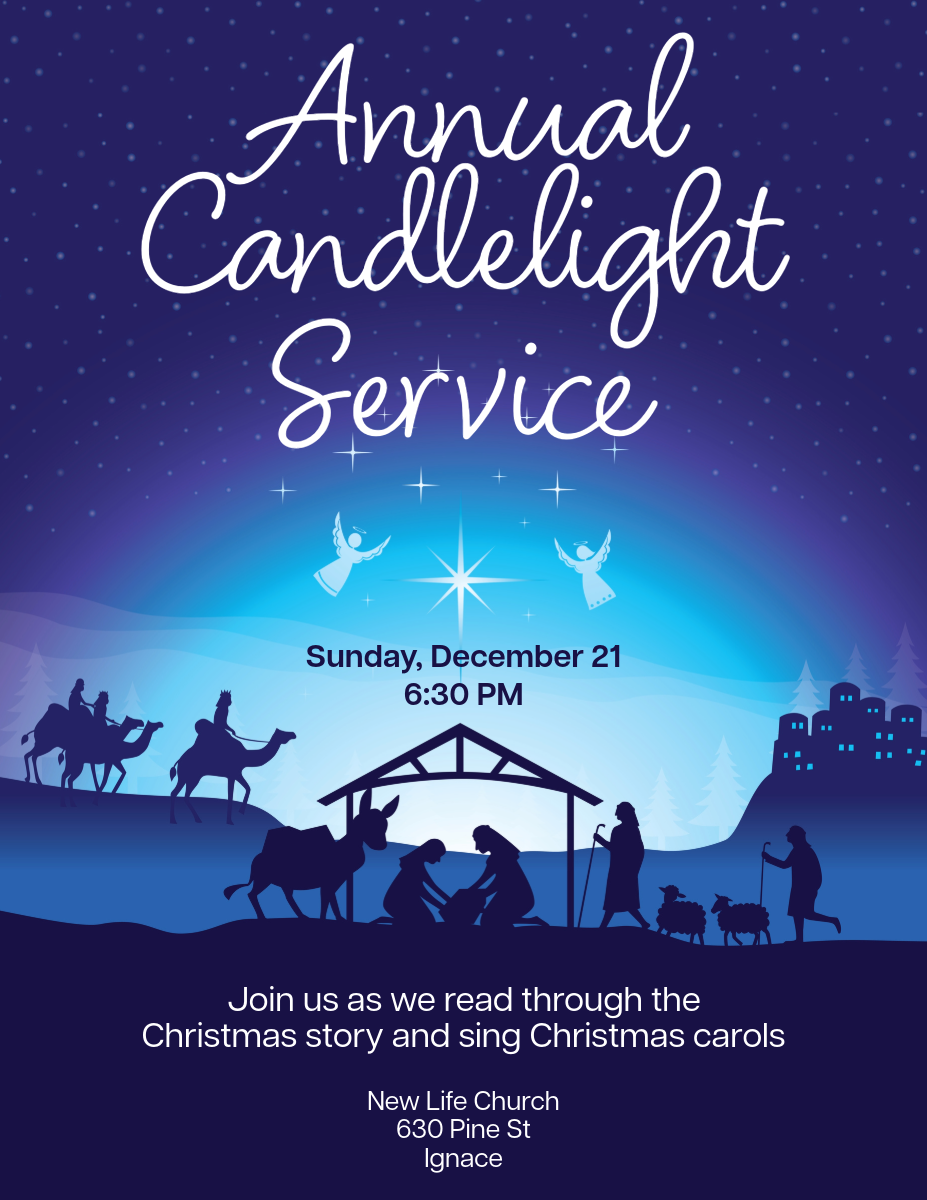
Christmas Concert, Sunday Dec. 14th at 2:00pm at Immaculate Conception Catholic Church. 496 Pine Street
Featuring CHOIRS from the Anglican, Catholic and Full Gospel Churches. / Coffee and Refreshments to follow. EVERYONE IS WELCOME. free will offering for the Ignace Food Bank
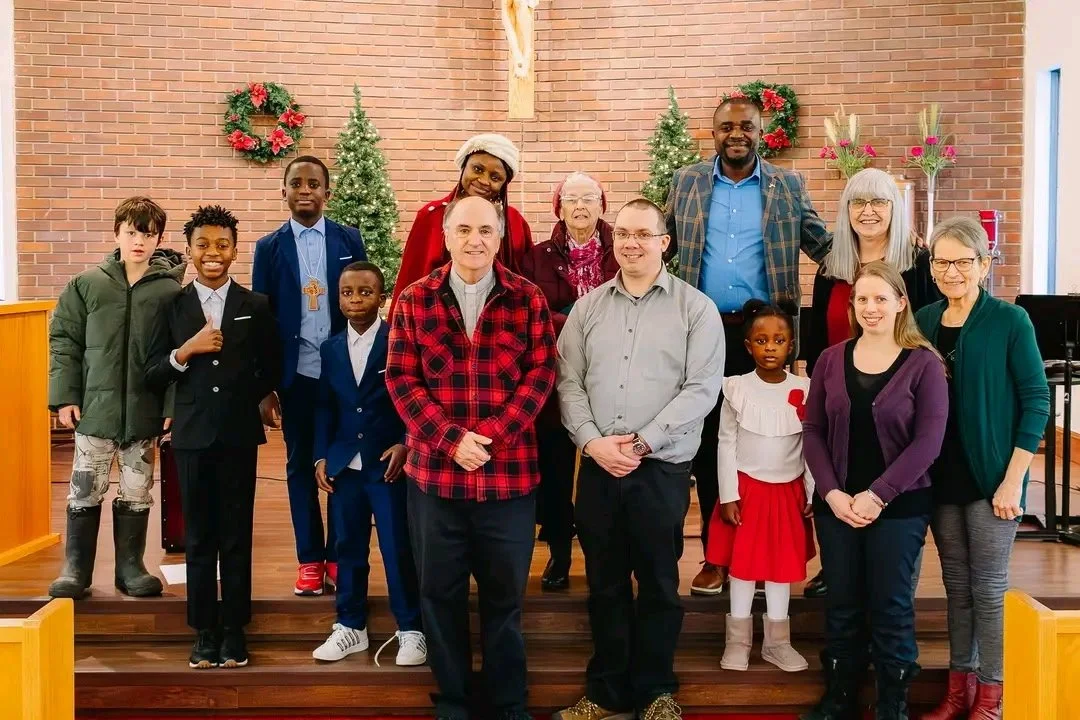
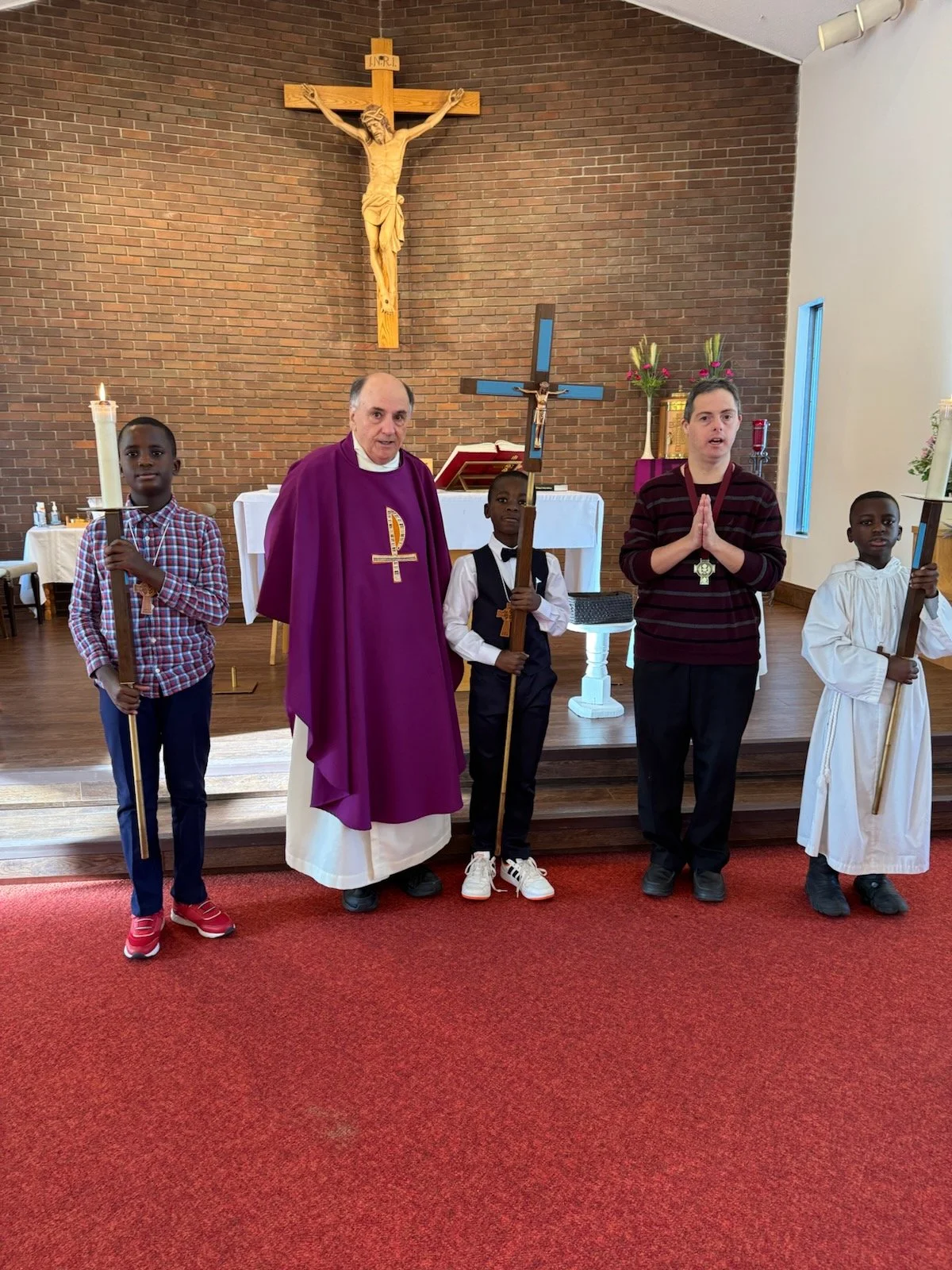
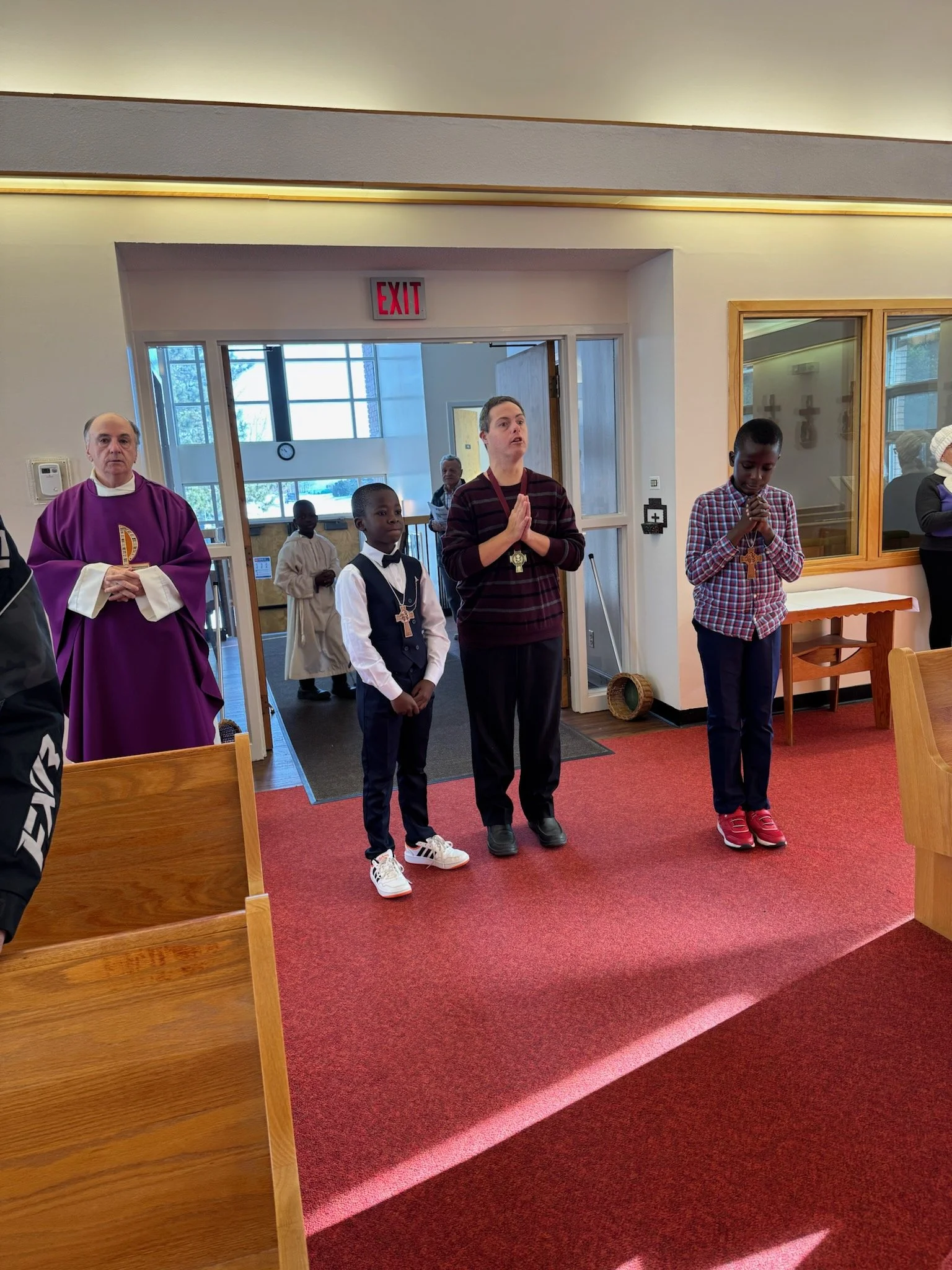
New Acolyte at Immaculate Conception Church
RP jr (holding cross) was installed as Acolyte last Saturday at our Advent 1st Sunday Mass.
Spread the joy of the encounter with Jesus
In a message to the Networks of Indigenous Peoples and the Network of Indian Theology Theologians, Pope Leo XIV encourages a rediscovery of the Jubilee Year as a time of grace, forgiveness, and shared hope.
By Sebastián Sansón Ferrari
Pope Leo XIV has sent a message to the Networks of Indigenous Peoples and the Network of Indian Theology Theologians, as they celebrate the Jubilee Year of Hope.
In the text, published on Thursday, October 16, the Pope recalls the desire of his predecessor, Pope Francis, who, in planning the Jubilee events, “wanted to highlight the universality of the Church, manifested in many vocations, ages, and life situations: families, children, teenagers, young people, the elderly, ordained ministers and laypeople, servants in the Church and society.”
He explained that “when we pass through the Holy Door, more than performing a symbolic gesture by entering a beautiful temple, what we truly seek is to enter, through faith, into the very source of divine love - the open side of the Crucified One”.
“It is in this faith that we are a people of brothers, one in the One (cf. St. Augustine, Commentary on Psalm 127:4). It is from that Truth that we must reread our history and our present reality, to face the future with the hope to which the Holy Year calls us, despite our labors and tribulations”.
Reconciliation with History
He also acknowledged that “the long history of evangelization experienced by our Indigenous Peoples is full of both light and shadow.” Citing St. Augustine, he emphasized that even when the messengers of the Gospel were not always consistent with its message, “God Himself works grace.” Thus, the Jubilee is a favorable time “to forgive our brothers from the heart” (cf. Mt 18:35), to reconcile with one’s own history, and to give thanks for God’s mercy.
Pope Leo XIV emphasized that it is only through trustful surrender to divine power that peoples can truly become the People of God. He recalled that the Lord “has planted the seeds of the Word in all cultures” and causes them to flourish in new ways. In this context, he quoted St. John Paul II:
“The power of the Gospel is transforming and regenerative everywhere. When it penetrates a culture, catechesis would be impossible if the Gospel had to change upon contact with cultures”.
A Dialogue That Enriches
The Pope affirmed that dialogue and encounter make it possible to discover “the abundant life Christ offers to all peoples.” This life, he noted, is manifested in human fragility, “marked by original sin,” and in the grace of Christ, “who shed every last drop of His blood so that we might have life in abundance”.
Leo XIV expressed gratitude for the contribution of Indigenous communities and Indian Theology to ecclesial reflection, highlighting that their worldview “resonates with a deep longing for communion with the Creator and creation” - a message the Church must embrace and accompany with discernment.
Gospel Boldness and Mission
Before concluding, the Pope evoked a term cherished by his predecessor Francis: parrhesia - that evangelical boldness which drives us to “go out of ourselves to proclaim the Gospel without fear and with freedom of heart.
He affirmed that, in the concert of nations, Indigenous Peoples must present with courage and freedom their own human, cultural, and Christian richness. The Church, he added, “is enriched by their unique voices, which have an irreplaceable place in the magnificent choir where all proclaim: Eternal Lord God, joyfully we sing to You, to You our praise.”
Mary, Star of Evangelization
Finally, Leo XIV entrusted the work of the networks to Our Lady of Guadalupe, “Star of Evangelization,” who “showed how Jesus Christ made two peoples one, breaking down the wall of hostility that divided them”.
The message concludes with a call to renew the missionary mandate:
“Go, and make disciples of all nations”, spreading “the joy that springs from encountering His Divine Heart.”
Silence is praise for You.
St. Jerome , (Sept. 30th) translates one Hebrew phrase in Psalm 65 “Silence is praise for you” (silentium tibi laus).
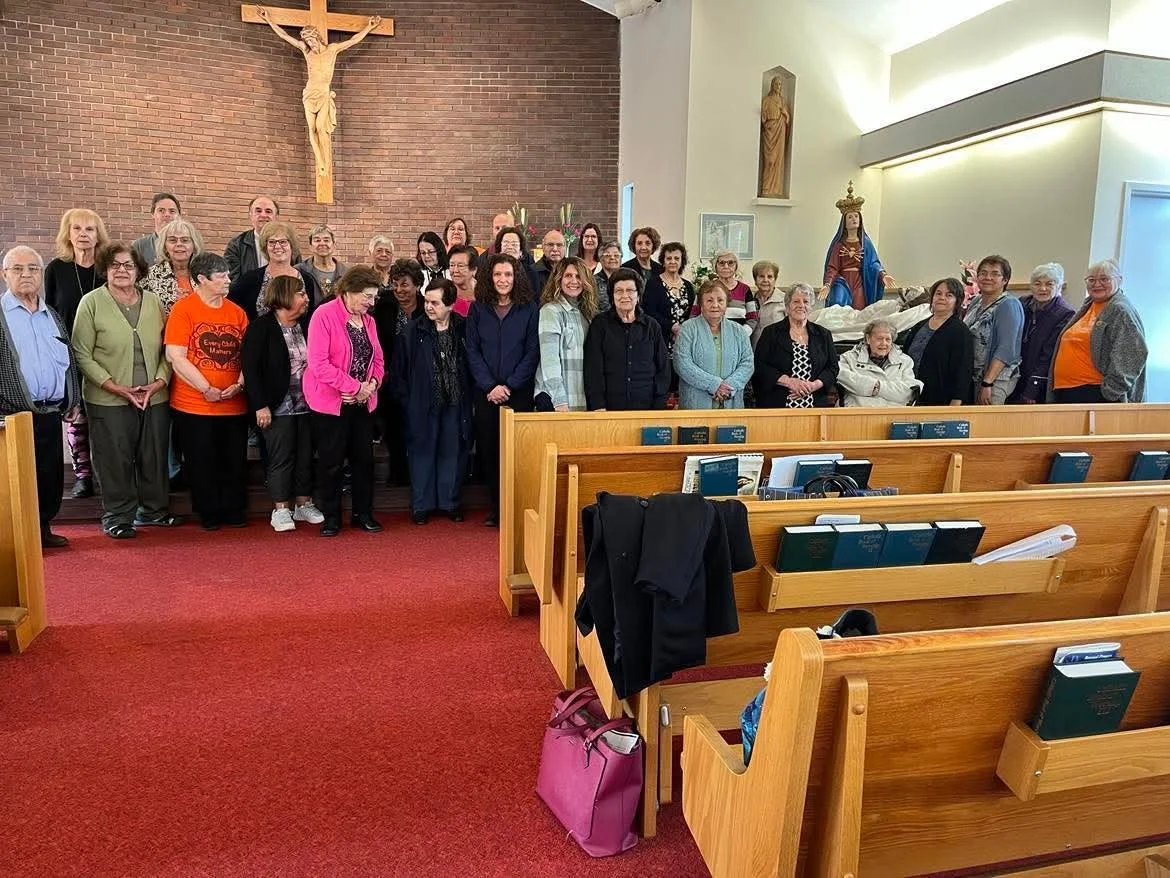
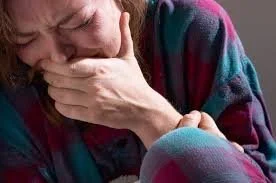
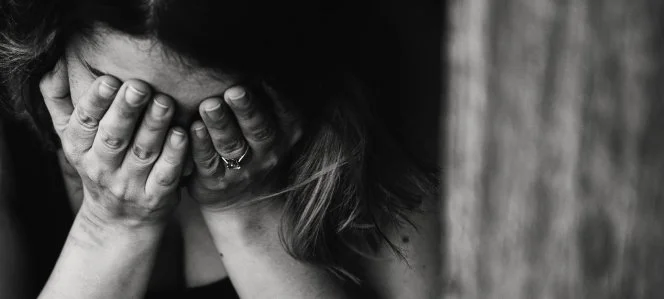
Our bus pilgrimage brought 45 pilgrims to Immaculate Conception Church to offer prayers and Mass in honour of the Madonna Addolorata, (Mother of Sorrows) as she beholds her Son’s lifeless body following his Crucifixion. We look upon the Mother of Sorrows who’s silence brings to mind a deep, reverent stillness, a grief that accepts God’s Will, an internal acknowledgment of God’s power and grace; which through the Resurrection transforms the wounds of Him ‘who became sin for us’ to be Holy and Glorious, healing, forgiving, restoring our human dignity, brothers and sisters all, children of God.
Madonna Addolorata
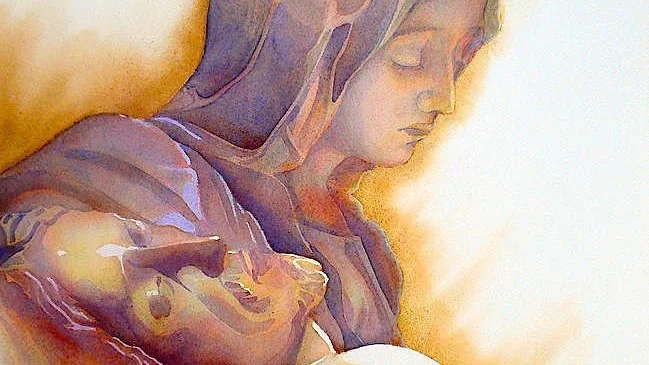
The name "Addolorata" was very common in Southern Italy, as well as in Spain its variation "Dolores", both derived from the celebration on September 15 of the Blessed Virgin Mary of Sorrows.
A number of passages in the Gospels describe seven sorrows that Mary had to endure during her life.
The first was the prophecy of Simeon the Elder, when Jesus was brought to the Temple, announcing Mary all the troubles that she was to face.
The second was the Flight to Egypt with infant Jesus and Joseph to escape Herod's order to kill all the children born in the same year as Jesus.
The third was when Jesus was lost for three days in the Temple of Jerusalem.
The fourth the meeting with Jesus carrying the cross in the ascent to Mount Calvary.
The fifth when she was at the foot of the cross, and had to see her son crucified, and close to death.
The sixth when she received in her arms the lifeless body of Jesus.
The seventh when she attended his burial in the presence of soldiers.
Surely to see the death of a child is a mother's greatest pain, there are no words that can give consolation, it's against the natural order of life, and having to witness an innocent son tortured and horribly killed in front of her eyes is unimaginable, only mothers who had to experience something similar in their lives can understand the devastating pain of such an experience.
The origins of the devotion to the Virgin of Sorrows started after 1050, a time when there were already liturgical celebrations referring to five joys of the Virgin Mary and five sorrows, represented by five swords stuck in her heart. The cult had spread all over Christendom by the end of the 12th century. An exact date for the celebrations in honor of Blessed Virgin Mary of Sorrows is 1233, when seven noble citizens of Florence wanted to celebrate their devotion singing hymns before the image of the Virgin Mary. The tradition reports that the Virgin Mary appeared, dressed in black, because of the bloody civil strife at that time in Florence.
At that apparition the armed men threw down their weapons, the seven men who had seen the Virgin Mary retreated in penance and prayer on Mount Sanario, and established a religious order, called "Servi di Maria", which was recognized by the Church of Rome in 1304. From then on, the feast of Our Lady of Sorrows spread very rapidly in every area of Europe.
The celebration of the Seven Sorrows of Mary was approved in 1714 by the Sacred Congregation for the Friday before Palm Sunday, then on 1814 was moved to the third Sunday in September, and finally Pope Pius X (1904-1914) fixed the final date of 15 September, immediately after the celebration of the Exaltation of the Cross (14 September).
Bus Pilgrimage
SEPTEMBER 30TH : PILGRIMAGE TO THE MADONNA ADDOLORATA WITH ROSARY AT 11:30AM / MASS / LUNCH / PRESENTATION
September 30th, Immaculate Conception Church hosts the Bus Pilgrimage to Madonna Addolorata
Bus arrives 10:00am / Rosary 10:45am / Mass 11:00am / Lunch then Presentation at 1:00pm / Photo 1:30pm / Bus departs at 1:45pm
Ignace Blog 1
It all begins with an idea.
August 16th the parish prepares to say farewell to Tony and Antonietta Zappitelli who arrived in Ignace in 1958.